
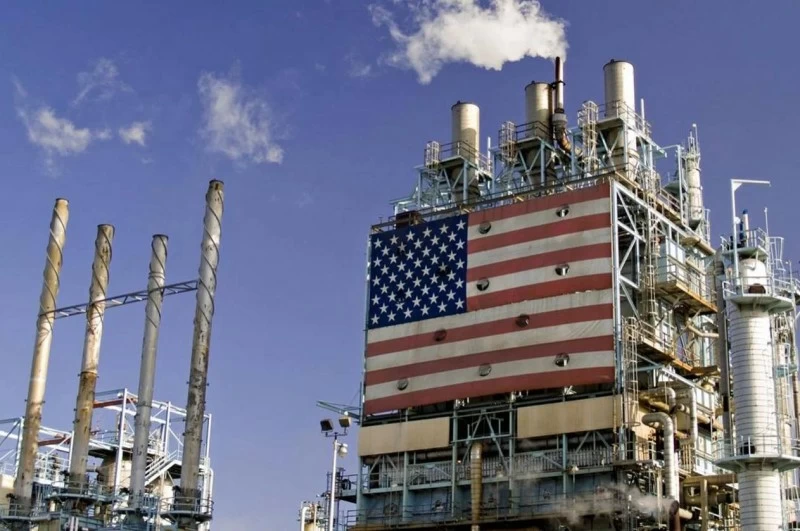
كشف معهد البترول الأمريكي معارضته لمشروع قانون جديد في مجلس الشيوخ يتعلق بالوقود الحيوي، الذي يهدف إلى توسيع مبيعات البنزين المحتوي على نسب أعلى من الإيثانول، ومنح بعض مصافي النفط الصغيرة إعفاءات من متطلبات المزج السنوية.
وساعد معهد البترول الأمريكي، وهو جماعة الضغط المعنية بالنفط والغاز، في قيادة الجهود داخل الكونغرس هذا العام للسماح ببيع بنزين «إي 15»، الذي يحتوي على نسبة أعلى من الإيثانول، طوال العام.
إعفاءات تلقائية
لكن المعهد انتقد مقترحاً تم الكشف عنه أخيراً يجمع بين السماح ببيع بنزين «إي 15» ومنح ما يُعتبر من الناحية الأساسية إعفاءات تلقائية لبعض المصافي الصغيرة، وهو ما يمثل تحولاً عن خطط سابقة كانت ستخفض هذه الإعفاءات بشكل كبير. وسيسمح مشروع القانون للجهات التنظيمية بإجبار الشركات التي لم تحصل على إعفاءات على تعويض جزء من الإعفاءات الممنوحة لبعض منافسيها.
صلاحيات منطقية
وقالت نائبة الرئيس الأولى لشؤون العلاقات الحكومية في معهد البترول الأمريكي كريستين ويتمان: «إن المعهد يدعم استخدام وقود (إي 15) بشكل دائم وعلى مستوى البلاد، عندما يقترن ذلك بإصلاحات منطقية للبرامج التي تمنح المصافي الصغيرة إعفاءات من متطلبات مزج الوقود الحيوي». وأضافت ويتمان أن «المقترح المدرج في مشروع قانون الزراعة بمجلس الشيوخ لا يحقق هذا النهج المتوازن، بل يستبدله بشروط معيبة تضر بإمدادات الوقود الأمريكية، بدلاً من توفير الاستقرار طويل الأجل الذي يحتاج إليه المستهلكون والمزارعون ومنتجو الوقود الحيوي وشركات التكرير».
The American Petroleum Institute has revealed its opposition to a new bill in the Senate regarding biofuels, which aims to expand the sale of gasoline containing higher levels of ethanol and grant some small refineries exemptions from annual blending requirements.
The American Petroleum Institute, a lobbying group focused on oil and gas, has helped lead efforts in Congress this year to allow the sale of “E15” gasoline, which contains a higher percentage of ethanol, year-round.
Automatic Exemptions
However, the institute criticized a recently unveiled proposal that combines allowing the sale of “E15” gasoline with granting what is essentially automatic exemptions to some small refineries, representing a shift from previous plans that would have significantly reduced these exemptions. The bill would allow regulators to require companies that did not receive exemptions to compensate for some of the exemptions granted to their competitors.
Logical Authorities
Kristin Whitman, the American Petroleum Institute’s Senior Vice President for Government Relations, stated: “The institute supports the use of (E15) fuel on a permanent, nationwide basis when coupled with logical reforms to the programs that grant small refineries exemptions from biofuel blending requirements.” Whitman added that “the proposal included in the Senate agriculture bill does not achieve this balanced approach but instead replaces it with flawed conditions that harm U.S. fuel supplies, rather than providing the long-term stability needed by consumers, farmers, biofuel producers, and refining companies.”