
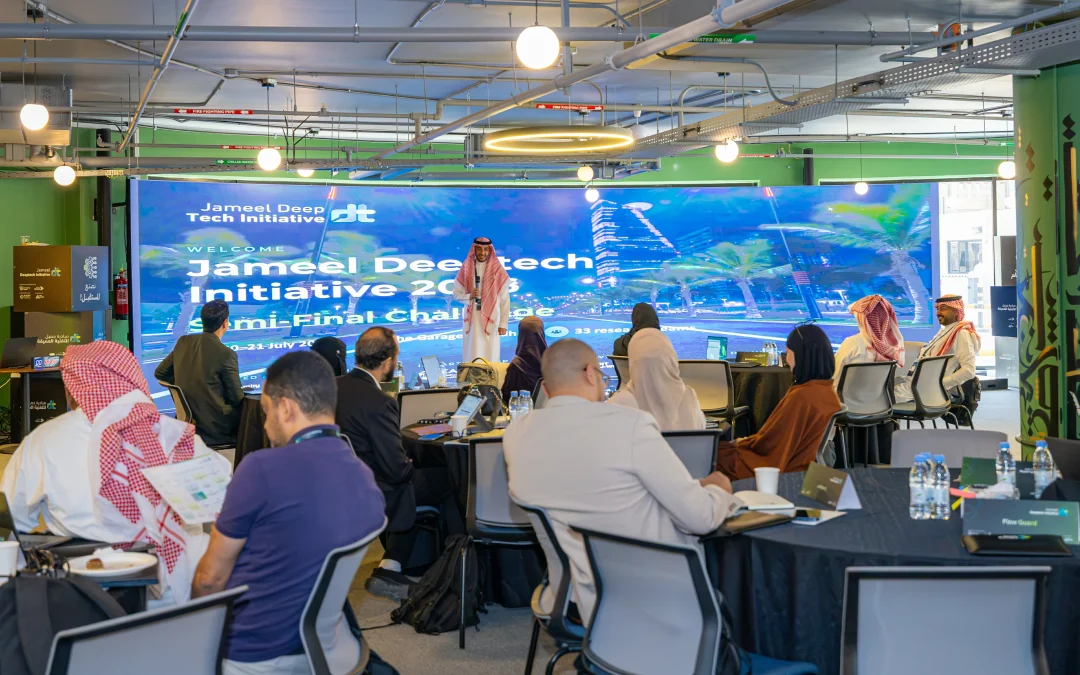
اختتمت مؤسسة مجتمع جميل السعودية، بالشراكة مع مدينة الملك عبدالعزيز للعلوم والتقنية «كاكست»، مرحلة نصف النهائي من مبادرة جميل للتقنية العميقة في نسختها الثانية، التي أُقيمت في مقر حاضنة «الكراج» بمدينة الرياض. وشارك 33 فريقاً متنافساً في هذه المرحلة لتطوير مشاريعهم البحثية والابتكارية في المجالات العلمية والتقنية العميقة من أصل 900 مُتقدم، مقارنة بـ30 فريقاً متنافساً من أصل 234 متقدماً في النسخة الأولى بالعام الماضي، بهدف الوصول لمرحلة النهائي التي سيحصد خلالها الفائزون جوائز تبلغ قيمتها الإجمالية 2,250,000 ريال سعودي.
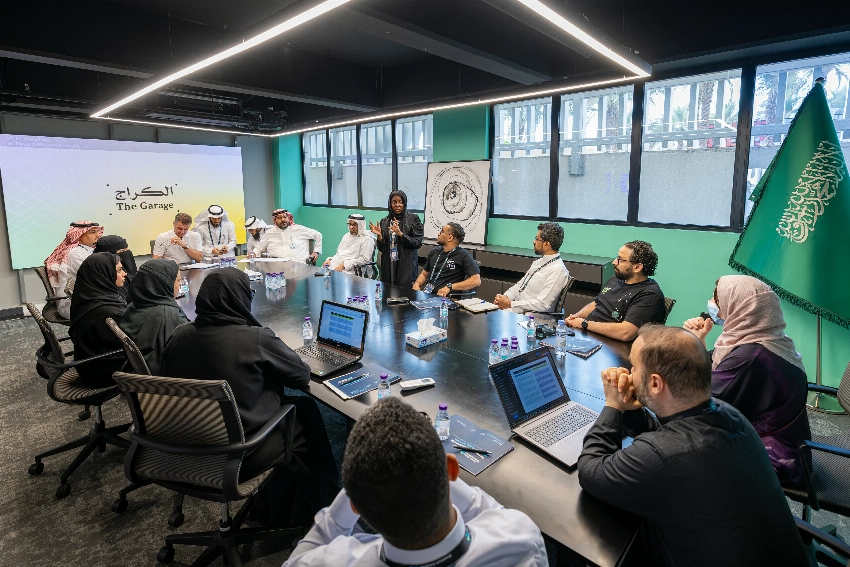
وانطلقت النسخة الثانية من مبادرة جميل للتقنية العميقة بهدف دعم رواد الأعمال المعتمدين على الأفكار العلمية وتنمية مهاراتهم في القطاعات الحيوية مثل؛ الصحة، والطاقة والبيئة، بما يتوافق مع مستهدفات رؤية المملكة 2030، من خلال دعم جيل جديد من الشركات الناشئة في التقنية القائمة على الأفكار العلمية والابتكارات المتقدمة. وخلال مرحلة نصف النهائي، خضع 33 فريقاً مشتركاً لتدريب مُتخصص وذي مستوى متقدم، واستفادوا من الجلسات الاستشارية متعددة التخصصات، وأجروا زيارة للمعامل البحثية في المدينة، واختتموا أنشطة المرحلة بعرض المشاريع أمام لجنة التحكيم المكوّنة من نخبة من الخبراء والمتخصصين من مختلف القطاعات.
وفي هذا السياق، صرّح مدير عام أول للمبادرات في مؤسسة مجتمع جميل السعودية، الأستاذ محمد عبدالغفار، قائلاً: «استكمالًا لنجاح النسخة الأولى من مبادرة جميل للتقنية العميقة في عام 2025، واصلنا العمل مع شركائنا على تطوير هذه النسخة لجعلها نقطة انطلاق لريادة الأعمال المعتمدة على البحث العلمي، الذي يخدم منصة تمكينية للعلماء والباحثين والمبتكرين في المملكة، من خلال توفير ما نحتاجه من أدوات ومواد لازمة لتحويل الأفكار البحثية إلى نماذج أعمال تجارية مضيفا أن الابتكار وجودة الحلول المقدّمة تعكس مستوى الجهد المبذول، كما أظهرت الفرق المشاركة مستوى متميزاً من الجدية والالتزام».
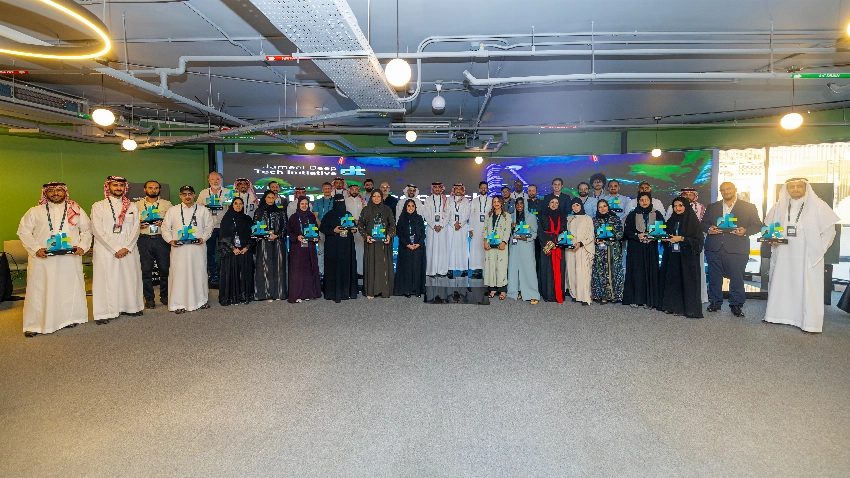
واجتازت الفرق جلسات التوجيه والإرشاد المتخصصة، وتبادل الخبرات بين الفرق المشاركة لتطوير إستراتيجياتها وصقل نماذج أعمالها، وتعزيز جاهزيتها للمرحلة النهائية، إذ تم اختيار 10 فرق للتأهل إلى المرحلة النهائية من المبادرة مقارنة بتسعة فقط في العام الماضي، وهي؛ لينوس بيو مينا، ولسان، وبيكسِت، وقيس هيلث، والنفط الرقمي، وبيور أدفانس، وترو نكسس، وشركة ابتكار أغشية الفصل، وفلوجارد، وحكيم. وستخوض الفرق المتأهلة مرحلة متقدمة، تمهيداً للتنافس على جوائز المبادرة التي ستوزع على المراكز الثلاثة الأولى. ولقد لُوحظ التطوّر النوعي في جودة المشاريع المشاركة في النسخة الثانية مقارنة بالعام الماضي، سواءً كان ذلك من ناحية المبيعات المتحققة، أو الوصول الجغرافي للمنتجات والخدمات، أو كمية الاستثمارات المجذوبة.
يجدر بالذكر أن النسخة الأولى من مبادرة جميل للتقنية العميقة اختتمت أعمالها في شهر أكتوبر من عام 2025، وفاز بجوائزها البالغ إجماليها 2,250,000 ريال سعودي ثلاث شركات ناشئة مميزة ومتخصصة في التقنية العميقة، وهي شركة أي راما الفائزة بالمركز الثالث التي تستخدم تقنيات الزراعة الحضرية لتقوية سلاسل الإمداد الغذائية، وشركة فيزي قراوند الفائزة بالمركز الثاني التي تستخدم الروبوتات والرادارات المتقدمة لكشف التسربات المائية تحت سطح الأرض، وشركة بلانسولين الفائزة بالمركز الأول التي تصنّع الإنسولين والمحفزات الحيوية الأخرى باستخدام الخلايا النباتية محلياً.
The Saudi Community Jameel Foundation, in partnership with King Abdulaziz City for Science and Technology (KACST), concluded the semi-final phase of the Jameel Deep Tech Initiative in its second edition, held at the “Garage” incubator in Riyadh. A total of 33 competing teams participated in this phase to develop their research and innovative projects in deep scientific and technological fields out of 900 applicants, compared to 30 competing teams from 234 applicants in the first edition last year, aiming to reach the final stage where the winners will receive prizes totaling 2,250,000 Saudi Riyals.
The second edition of the Jameel Deep Tech Initiative was launched to support entrepreneurs relying on scientific ideas and to develop their skills in vital sectors such as health, energy, and the environment, in line with the objectives of Saudi Vision 2030, by supporting a new generation of startups based on scientific ideas and advanced innovations. During the semi-final phase, the 33 participating teams underwent specialized and advanced training, benefited from multidisciplinary advisory sessions, visited research laboratories in the city, and concluded the phase activities by presenting their projects before a judging panel composed of a select group of experts and specialists from various sectors.
In this context, the Senior General Manager of Initiatives at the Saudi Community Jameel Foundation, Mr. Mohammed Abdulghaffar, stated: “Following the success of the first edition of the Jameel Deep Tech Initiative in 2025, we continued to work with our partners to develop this edition to make it a launchpad for entrepreneurship based on scientific research, serving as an enabling platform for scientists, researchers, and innovators in the Kingdom, by providing the necessary tools and materials to transform research ideas into business models. He added that innovation and the quality of the solutions provided reflect the level of effort exerted, and the participating teams demonstrated a distinguished level of seriousness and commitment.”
The teams passed specialized mentoring and guidance sessions and exchanged experiences among the participating teams to develop their strategies and refine their business models, enhancing their readiness for the final stage. Ten teams were selected to qualify for the final phase of the initiative compared to only nine last year, namely; Linus Bio MENA, Lisan, Pixet, Qais Health, Digital Oil, Pure Advance, True Nexus, Membrane Innovation Company, Flowguard, and Hakim. The qualified teams will enter an advanced stage in preparation for competing for the initiative’s prizes, which will be awarded to the top three positions. A qualitative improvement in the quality of the projects participating in the second edition was observed compared to last year, whether in terms of achieved sales, geographical reach of products and services, or the amount of attracted investments.
It is worth mentioning that the first edition of the Jameel Deep Tech Initiative concluded its activities in October 2025, with three outstanding and specialized deep tech startups winning its prizes totaling 2,250,000 Saudi Riyals. These include Ay Rama, which won third place and uses urban agriculture techniques to strengthen food supply chains; Visi Ground, which won second place and employs advanced robotics and radars to detect underground water leaks; and Blansulin, which won first place and manufactures insulin and other biocatalysts using locally sourced plant cells.